
Is Teletherapy Right for You? Understanding the Pros and Cons.
Social media allows us windows into each other’s lives but creates incredible loneliness. We are one click away from each other but never hear from loved ones. Anxiety and depression are becoming a normal part of life, but fear and sadness make normal functioning impossible. We all need to hear that we are all worthy of love and care. During hard times, words of support and encouragement reduce stress and symptoms of anxiety and depression. Teletherapy is one way to reduce physically and psychologically damaging isolation, but there are pros and cons to using it.

Pro #1: Therapy wherever you go
Finding a therapist you feel comfortable with can be difficult. You want to talk to someone who you feel listens to you and cares. You want to find someone who gets you. When you find a good therapist, you don’t want interruptions in progress if you have to travel out of state. Teletherapy allows for therapy to continue no matter where the therapist and patient are located. With the PsyPact authorization, psychologists are able to offer teletherapy to most locations in the continental United States. If your psychologist has the PsyPact authorization, you can continue therapy even when you can’t go into the office. Consistency in therapy means you learn new patterns in thinking and behavior, and you will feel better physically and emotionally. Teletherapy allows for that continuity.
Pro #2: Convenience factor with teletherapy
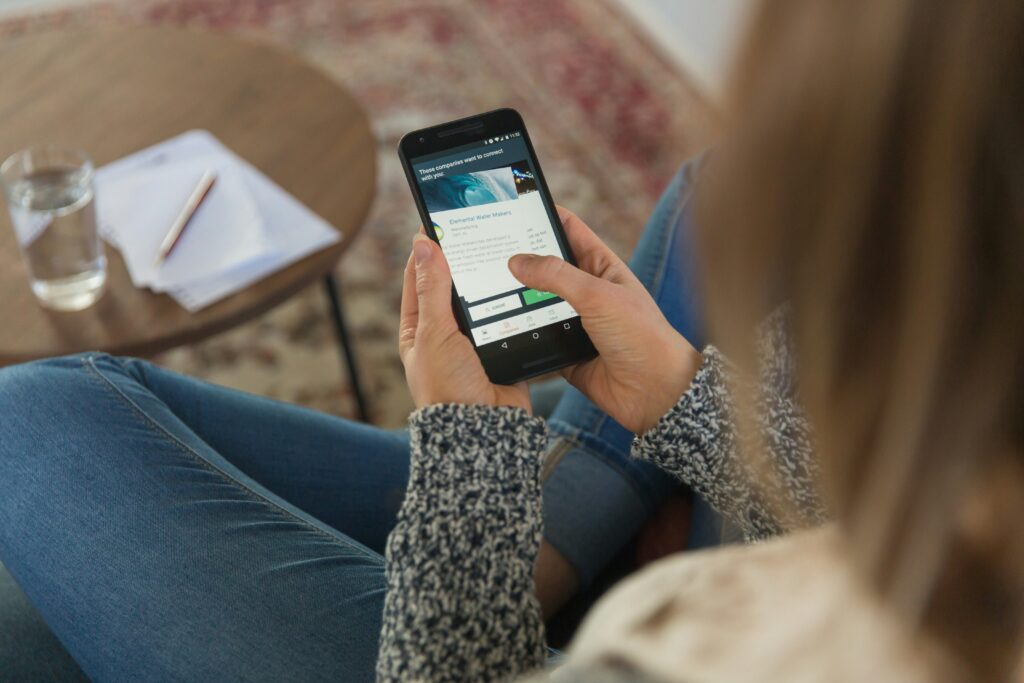
Teletherapy is possible through a laptop with a camera, a phone with a camera, or even a landline phone. All you need is the ability to hear the other person’s voice to be able to have a supportive conversation and increased understanding. With a little privacy, people who have trouble getting around or are at home caring for children or elders can get the support they need. Teletherapy allows you to connect with psychologists with years of experience working with people with serious mental health issues coping with very difficult life challenges. While talking to friends and family about issues is an important support, sometimes problems require more sensitivity and understanding that is possible without training in mental health.
Pro #3: Emotional support for health issues
People with health issues or who are immunocompromised need to limit social contact. This worsens their extreme isolation and loneliness. While physical problems are a priority and attending to medical issues is more important than mental health issues, resilience and a positive mindset can play a big part in physical healing and recuperation. Unfortunately, during a time of possible isolation from loved ones, getting emotional support is an important step in surviving possibly devastating change. Finding emotional support can be critical for good mental and physical health. The convenience and ease of teletherapy can make finding emotional support possible for people with health issues.

Pro #4: Improved technology
Additionally, teletherapy will continue to improve as technology improves. Information is delivered faster and better, and the ways we are able to connect and communicate improve as well. With 5G and AI, individuals will be better able to find the help they need and learn to work through their emotional issues anywhere and anytime they wish. A knowlegeable and compassionate therapist could be at their side in times of turmoil and pain to help navigate life’s storms.
Pro #5: Lower cost with teletherapy
Finally, teletherapy can be less expensive than in-person therapy. By conducting the therapy over the phone or computer, there are no fuel costs. This can be critical for people who live in rural areas and do not have therapists nearby. The convenience of having a therapy call instead of having to drive an hour to do in-person therapy can determine whether therapy happens at all. When support is in short supply, teletherapy is one way to feel better physically and mentally.
While there are many benefits to teletherapy, there are also disadvantages to conducting therapy over devices. Those disadvantages may convince you that in-person therapy continues to be the best way to receive therapy. Your individual needs and preferences affect how you weigh the pros and cons of teletherapy.
Con #1: No interpersonal contact
Unfortunately, teletherapy is not in person and is through cold and inhuman devices. The time and effort it takes to shower, get dressed and make it into the office can be a meaningful accomplishment for someone who is depressed. Patients complain that subtle body language signals are missed by having to look at a computer screen for psychotherapy. If there is distracting construction noise or cars going by, the depth of emotion and uncovering of subconscious meaning is severely restricted.

Con #2: Frustration with technology
Additionally, depending on technology means having devices that are dependable. Dead zones can be common, especially in rural areas. Nothing is more frustrating than trying to have a meaningful discussion about hope or experiences of joy and having to keep repeating “Can you hear me now?” Connections are not always without interruption, and devices are not always compatible with teleconferencing platforms. Not everyone can maneuver the complicated steps required to register, log in, download and connect to applications that make HIPAA compliant video conferencing possible. Older people who are not comfortable with computers and smart phones can be discouraged by complicated systems. They may give up instead of getting the support and encouragement they need.

Con #3: Less privacy and security with teletherapy
Thirdly, since teletherapy is possible anywhere a device can go. Portability increases the possibility that the conversation will not be as private or secure as it would be at the therapist’s office. Patients need to use their best judgment as to where they decide to have teletherapy take place. If they are on the phone where others could overhear them, then their privacy will not be protected as it should be. Also, a patient’s information is well protected at the therapist’s office, but a patient may not be able to guard their privacy to the same extent.
Fortunately, alternative methods of finding emotional support are available. As you review the pros and cons of teletherapy, your personal preferences in how to get the emotional support you need will be more clear. Teletherapy is very helpful for people who are concerned about limiting exposure to others or have issues traveling to appointments, but they may sacrifice precious interpersonal contact. How therapy is delivered is not as important as whether people who need support get it. Finding out when and how you can get the help you need is an important step in changing your life for the better. Teletherapy creates easy ways to get help and the staff at our offices can guide you through online or telephone counseling. Our offices are also open for those who feel more comfortable visiting in person.
Rebeca Bright, PsyD

For further reading:
(ads are provided by affiliate marketing programs)