
Healing the mind-body connection
Stress can be physical through exertion like hard labor or body discomfort. It can also be emotional through worry or sadness. Stress can be both physical and emotional as worry and sadness make physical discomfort worse, which in turn creates more worry about health creating a vicious cycle. The mind-body connection is the bridge between physical symptoms and mental health symptoms. Physical symptoms influence perception, which in turn influence thought and emotion. The mind-body connection can be a source of great emotional and physical pain. With the right perspective though, the mind-body connection can create physical changes that make stressors more manageable and life more enjoyable. Somatic psychotherapy can help heal the mind-body connection to create improved health and increased joy.
Somatic psychotherapy uses the mind-body connection to heal dysfunctional patterns that cause physical and mental distress. Through talk therapy, a somatic psychotherapist is able to teach clients how to use relaxation techniques, mindfulness and holistic health practices to aid medical technologies in healing physical ailments and mental health issues. Patients are able to explore their relationship with their bodies and how their life experiences have affected that relationship, allowing them to understand and accept themselves and their lives on a deeper level.

Fight/flight/freeze response
Stress affects the entire physical system because it causes a hormonal reaction that changes the chemical makeup of the blood. Cortisol, the main stress hormone, is released when the body is triggered into the fight flight freeze cycle. It helps survival by triggering adrenaline in case there is a need to fight. It helps bring on the feeling of rage so all strength is available and the fear of survival mode is bypassed. Cortisol brings about many different protective functions in the body that can also be very disruptive to normal body functioning because the goal of these functions is to run or fight, not rest and rejuvenate.
Painful experiences in survival teach us what is dangerous in the world. The pain of traumatic experiences leave physical and emotional scars that shape us into who we are today. When emotional losses do not heal and we do not learn how to adjust and adapt to a life that includes great joy and great pain, holding on to the hurt delays healing and growth physically and emotionally. Our body’s natural survival mechanisms protect us from harm but can also become over-activated if we believe we are in constant danger. The body’s relaxation response is a way to reduce hurt from trauma and make us feel safe, activating the mind-body connection into healing physically and emotionally. Somatic psychotherapy helps you learn from your body to heal and adapt and finally find joy in your life.
Stress and your heart
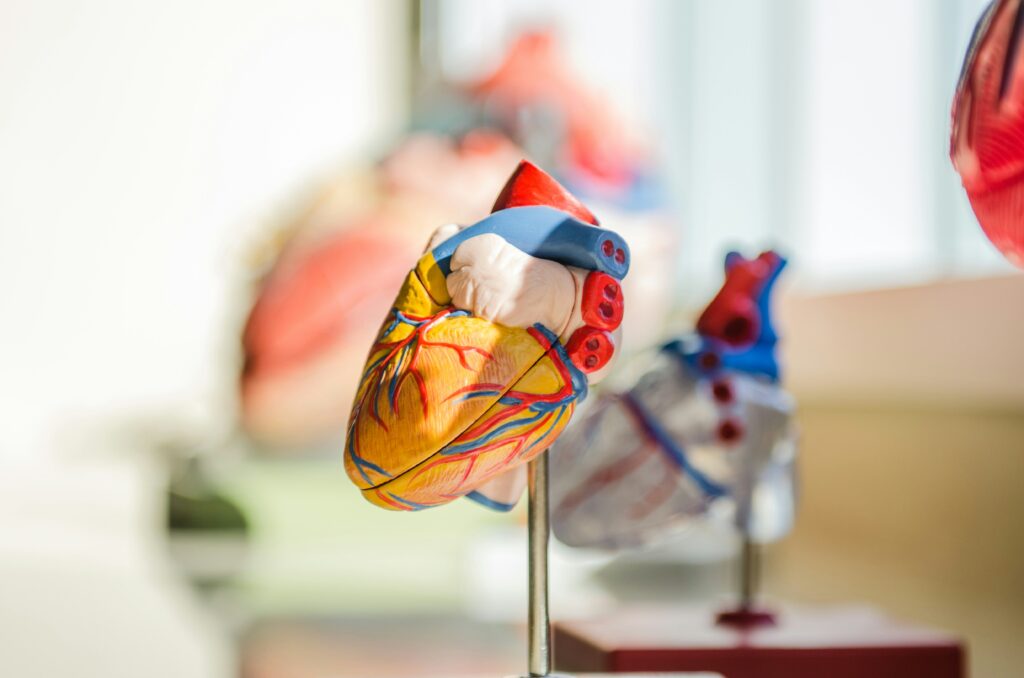
Undoubtedly, stress takes a toll physically and emotionally. One of the physical systems affected by stress and the hormones released by the fight/flight/freeze response is the cardiovascular system. Stress is caustic, meaning it destroys cells and does not allow the body to function properly. Cardiovascular functioning is affected and blood vessel walls deteriorate due to chemicals in the blood caused by stress. Stress increases blood pressure, putting more strain on the heart and an increased risk of cardiovascular disease. Continued stress can cause serious damage to the cardiovascular system. Learning to relax through somatic psychotherapy can reduce stress and reduce the damage stress causes to your heart.
Digestion and mind-body connection
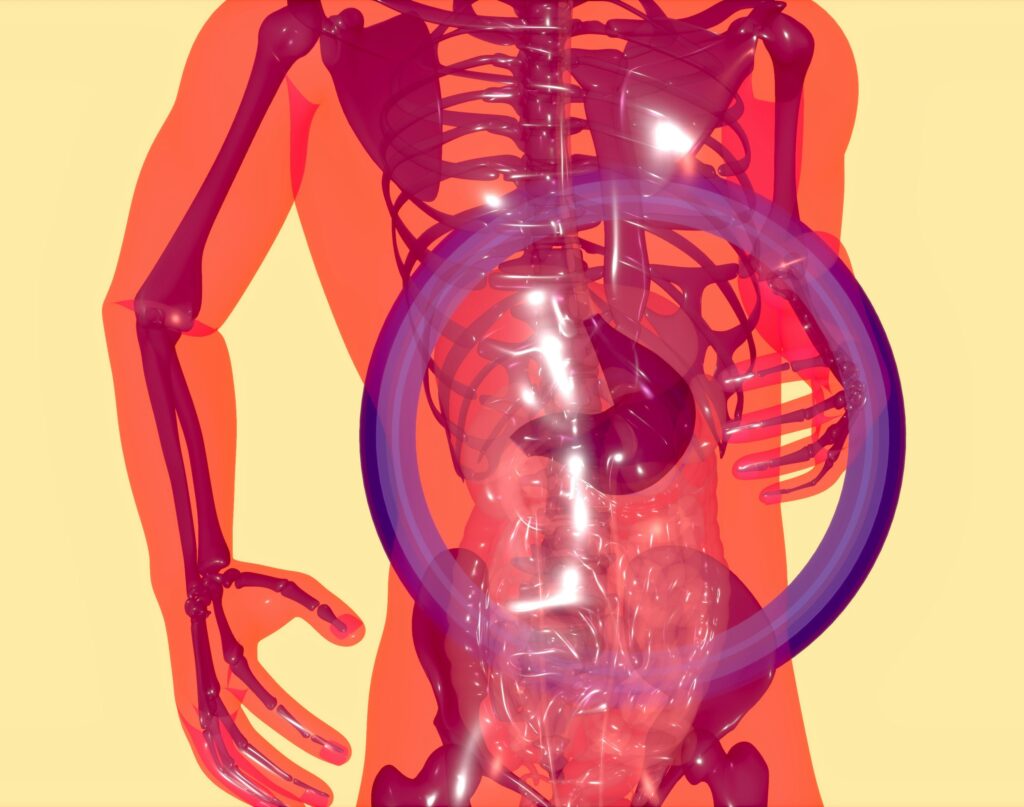
Another body system affected by stress and the fight/flight/freeze response is digestion. Stress affects digestion because the body is not focused on regeneration, but on survival. Stress hormones destroy good bacteria in the stomach. Tension in the abdomen impacts the body’s natural movements in digestion and elimination. Stress and strain go together, making normal body functions uncomfortable. We need to relax and let go of pressure and tension to feel good. Our bodies work better and feel better when we are relaxed. Healing the mind-body connection to increase feelings of calm and peace improves normal body functioning and improves physical and emotional well-being.
Stress and neurological symptoms
Additionally, the fight/flight/freeze response creates a hyperfocus that leads the body to escape from danger by any means necessary. The feeling of danger affects our ability to perceive our environment accurately. Neurological systems are affected by stress as neurochemistry changes and information filtered through the brain is distorted by the hyperfocus on escape. The body is activated and focus and concentration are pinpointed into one direction, creating tunnel vision and affecting rationality.
Significantly, fear and anxiety can cause a myriad of physical symptoms due to distortions in perception. In panic attacks, physical symptoms create the feeling and perception that you are going to die. Symptoms worsen with the body’s natural reaction to stress, creating what seems to be an uncontrollable cycle . Somatic psychotherapy helps reverse this chain reaction. Through increased awareness of what works to give you a greater sense of peace, your confidence increases in your ability to reduce your anxiety and stress. Anxiety transforms from controlling your life to becoming a signal from your body that your life needs to change.

Cognitive functioning and stress
Consequently, the fight/flight/freeze response creates a feeling and perception that the world is a dangerous place. Cognitive functioning is affected as thinking is distracted by the overstimulation of the body preparing to fight/flight/freeze. Distraction and inability to focus and concentrate reduce the ability to retain information. Normal tasks become more difficult and questions about the ability to function increase. We start to doubt our ability to think clearly, further snowballing the feeling of being out of control and unable to take care of ourselves.
Additionally, when stress activates the fight/flight/freeze response, it affects our ability to think rationally. We start imagining the worst case scenario and experience it mentally and physically in real time. Many people describe mindfulness as the ability to stay in the moment and recognize that much of what you think and feel is not happening in real time. Somatic psychotherapy focuses on the breath and on relaxing tense muscles that send the brain signals interpreted as danger. Small perspective changes can make an incredible difference in quality of life.

Physical effects of stress on the body
The physical toll of anxiety and depression on the body is extensive. Feeling overwhelmed reduces focus on self care and healthy activities are exchanged for high calorie food and sedentary activities. Relationships are strained and conflict increases, reducing the social network of support and connection. The strain and tension of anxiety are exhausting and depression saps all energy and motivation. Mental health issues are not only mental, but are also very physical experiences in the body. Taking those physical effects into account is an important part of healing mental health problems. Somatic psychotherapy helps you listen to your body’s response to stress to help you manage it more effectively.

Relaxation response and mind-body connection
Lowering stress activates the body’s natural ability to heal. The negative effects of cortisol are reversed and the body is able to focus on relationships and comfort again. Homeostasis can be reached and a healthier, more balanced way of life is possible without the negative effect of stress. In time, we recognize that the pressure we put on ourselves is not worth it. We realize that the past is over and we can be in the moment. Slowly, we push old thoughts about worthlessness to the side and we focus on the opportunities of the day. We feel our lives transformed as our bodies feel lighter and the pull of negativity disappears.

Mind-body connection and physical health
By reducing anxiety and depression, psychotherapy and relaxation techniques also reduce the effects of stress on the body. Anxiety is fear that is out of control. We are normally able to recognize what we should worry about, but modern life has made us feel we are in control when we are not. Accepting that our lives may not live up to our expectations of ourselves involves forgiveness and letting go of demands. When the physical tension of anxiety eases, stubborn beliefs that do not serve us are less important. Depression lifts as we recognize the challenges we have overcome and see the strength, wisdom and compassion that made life so much more meaningful than expected.

In cognitive behavioral therapy, there are many ways to reduce stress and its effect on the body. Breathing, progressive muscle relaxation, meditation, and visualization all allow the individual to experience different levels of relaxation and how it affects cognition/perception. Gradually you start a daily routine through repeated sessions of relaxation, and anxiety and stress levels reduce. Specifically, the best time to explore relaxation techniques is before bed. With practice you find the routines that help you unwind, de-stress, recognize your strengths and your ability to overcome challenges. You tune into how your thoughts and feelings affect your physical sensations. You are more able to find the physical peace and the corresponding positive thoughts that maintain a more accepting attitude toward life.
Mind-body connection and the future
In conclusion, stress will always be a part of lives. Our job is to find a way to enjoy our lives and manage the stress we face. Healing the mind-body connection can be a direct route to finding peace within our bodies and our minds to take the daily steps forward in our lives. Somatic psychotherapy can be a useful tool to get support in working through trauma and learning how to honor the body’s signs and symptoms in our daily lives. If you have difficulty managing your mind-body connection, please find a capable therapist that can help support a healthy relationship with your body and an increased ability to find joy in life.
Rebeca Bright, PsyD

For further reading:
(links provided by affiliate marketing)