
Managing hurricane stress reaction
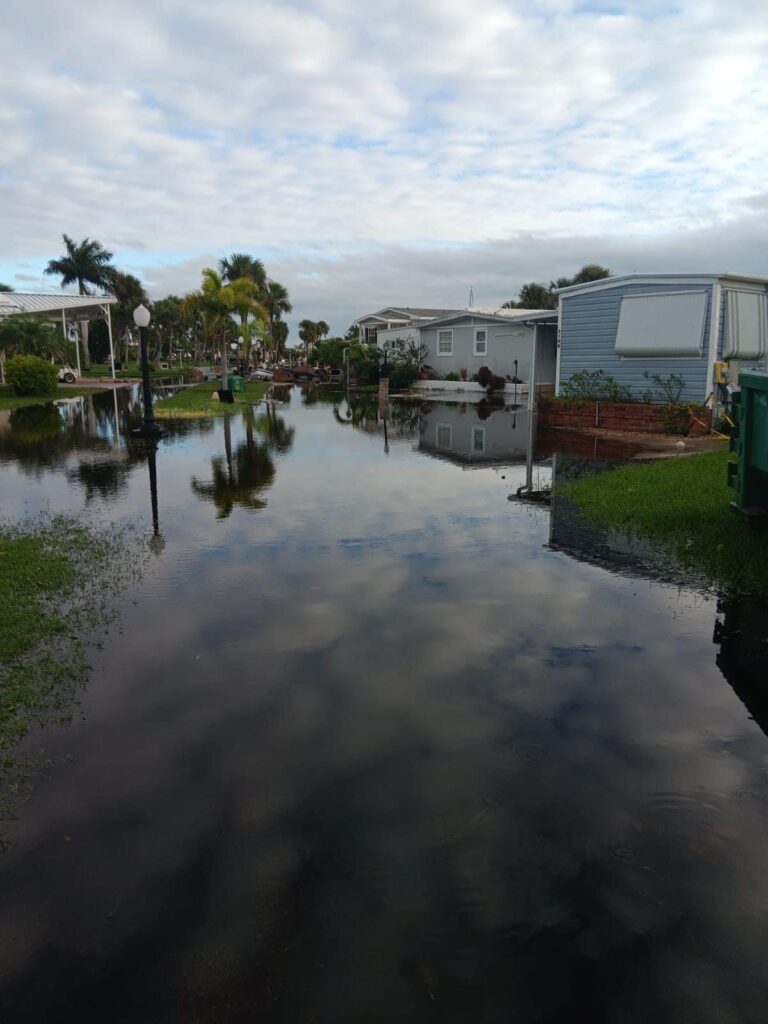
Port Charlotte has been through two major hurricanes in the past month. A majority of my patients have had to wait to see if hurricanes Helene and Milton would destroy their homes. We talk about how they have managed the hurricane stress as well as the usual stressors they face on a daily basis.
In psychotherapy we recognize hurricane stress reaction as a natural way of processing the danger faced by a hurricane. Hurricane stress tests our ability to cope and stay calm in the face of danger. It forces us to be brutally honest about what we can and can’t do, physically and mentally. The many life or death issues hurricanes force us to contend with are unmanageable and possibly fatal without the ability to think clearly.
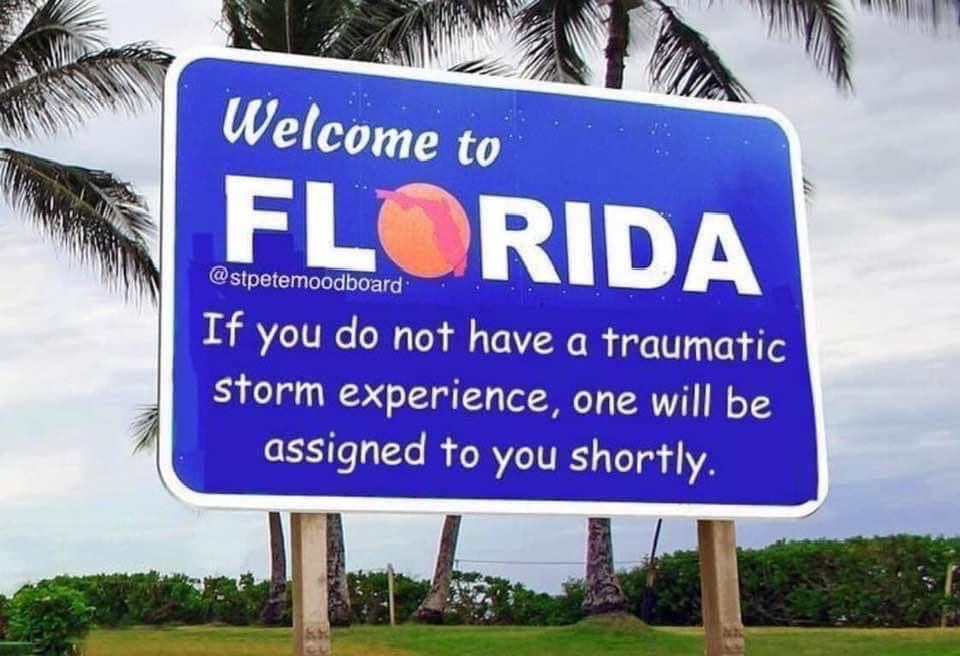
Living in Florida means preparing for a personal hurricane stress reaction during hurricane season, which spans from June 1 to November 30. That means the danger is not over after a hurricane has passed because another hurricane may be forming. In Port Charlotte we have experienced a major hurricane only to have another hurricane strike immediately after. The stress was high for that entire period.
Mental health issues and hurricane stress reaction
Mental health issues like anxiety and depression reduce our ability to cope with normal daily stressors. People with anxiety are overwhelmed by irrational fears about life, their relationships, and their own abilities. People with depression are overwhelmed by irrational negativity about life, their relationships and their sense of self worth. Hurricane stress triggers all of those issues, making rational decision-making in times impossible.
Previous trauma is another mental health issue that affects how we are able to cope with stressors, including hurricane stress. Stress affects our ability to think clearly and focus, and post traumatic stress builds up if we don’t process fears and wounds from the past. We must be able to change strategies on a moment by moment basis as the hurricane fluctuates. Old fears and pain that are not relevant to the present only create distraction and irritation. We must be able to evaluate danger as conditions change and the hurricane closes in.
Friends and family can make the difference between surviving or not surviving the storm. Depression increases the tendency to isolate. Depressed people who are isolated are already minimally motivated to care for themselves. A hurricane warning or evacuation forces them to make an even greater effort to stay alive. When in danger we need to feel that we are not alone and have others to help us stay safe. Maintaining a strong social network is important to do in times of calm so we have emotional support during the storm.
Caregiving and hurricane stress
Some of my patients are caregivers for people who have mental health disorders. As danger approaches, caregivers may have to make important decisions about safety for the family. They may be dismissed or disrespected by loved ones who are not able to cope with stress in a healthy way.
Your personal hurricane stress reaction is a good test whether boundaries have been established and are being respected by your loved ones. If you feel put off or ignored in your relationships, your boundaries may not be respected as they should be. Establishing healthy boundaries that can withstand the storm is another way to be prepared for hurricane season.
Another issue for caregivers is codependency in their relationships. These individuals must ask themselves if their safety is considered a priority in the relationship. Self care means making sure the stress doesn’t get overwhelming by not putting too much pressure on themselves. It also means letting go of responsibilities that are inappropriate or unrealistic.
Coping mechanisms and hurricane stress reaction
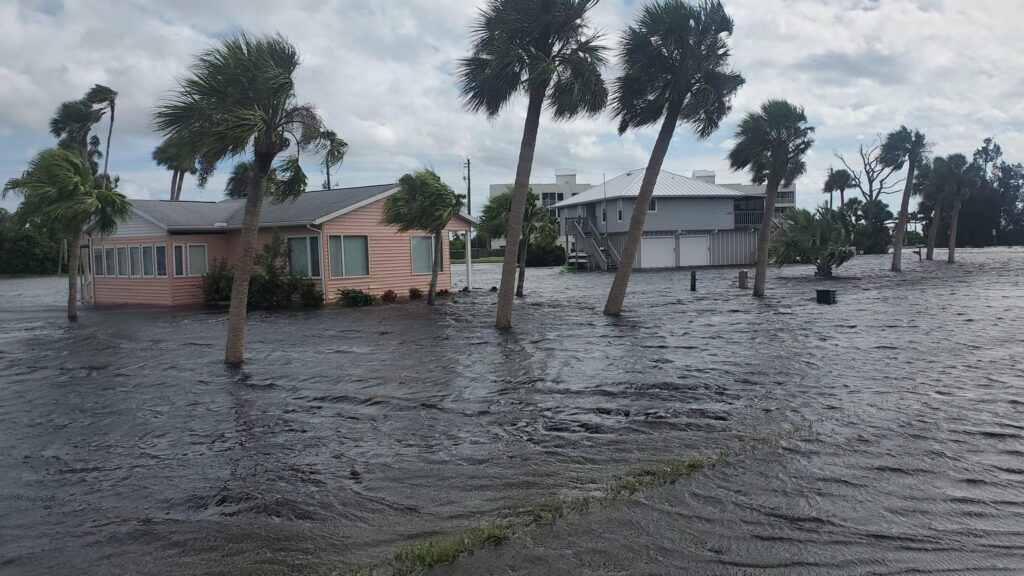
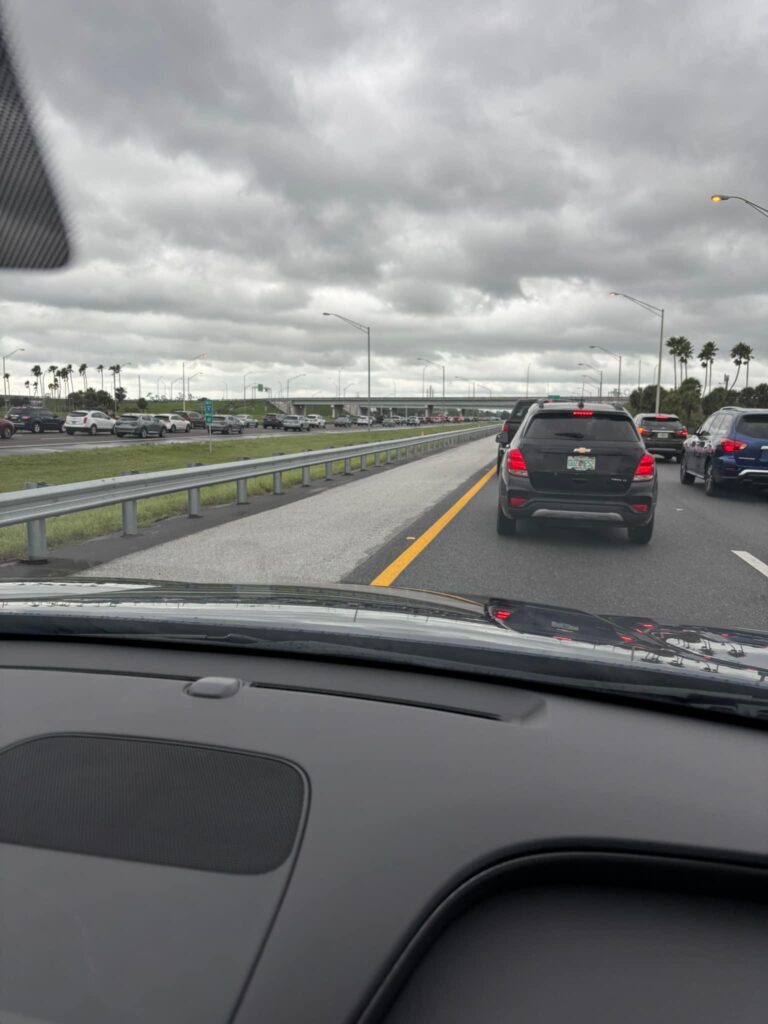
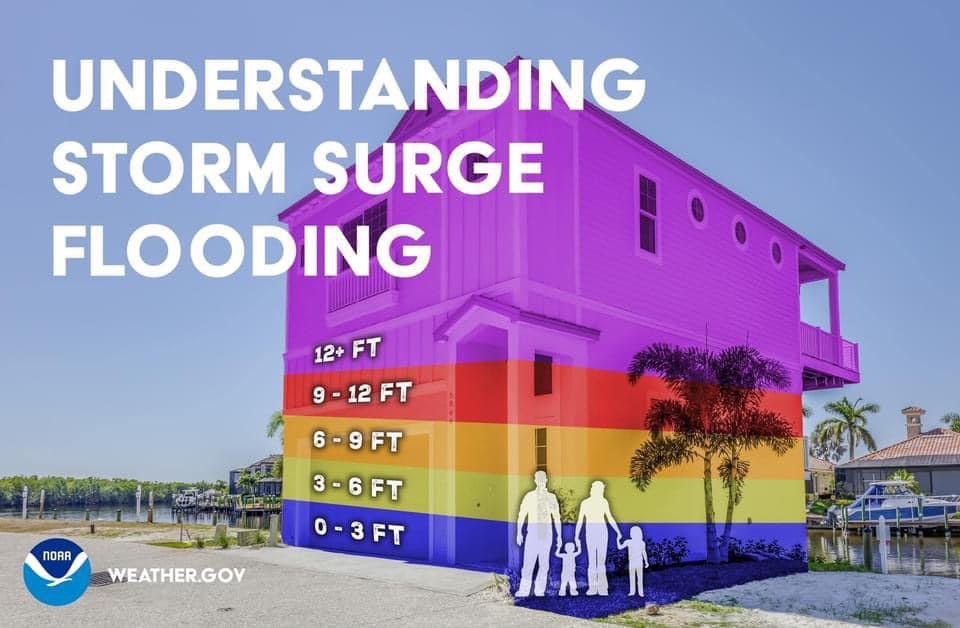
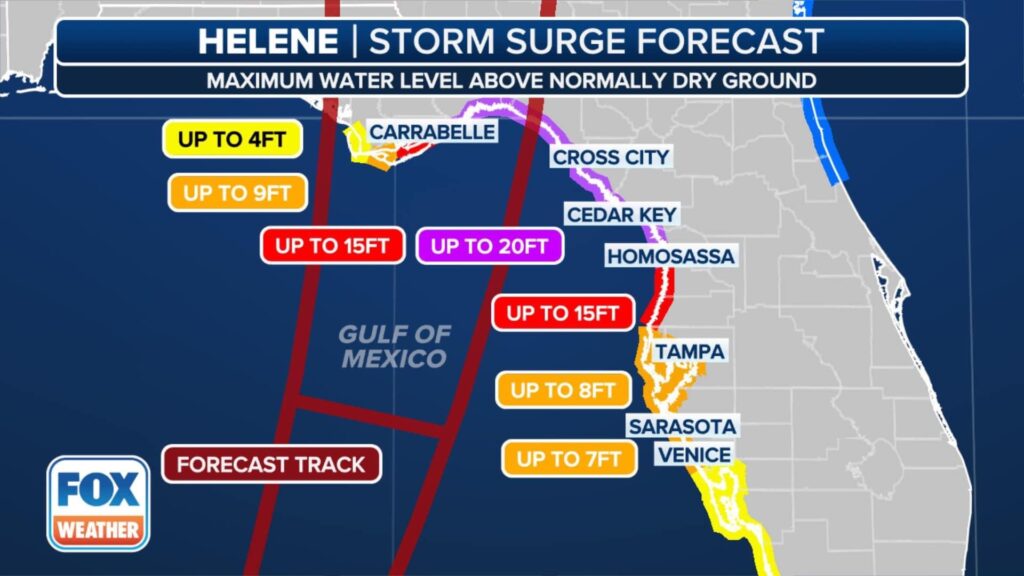
When we talk about coping, we have to talk about Maslov’s hierarchy of needs. Maslov’s hierarchy of needs puts physical safety as first priority and then emotional needs next. The highest need is to self actualize on the top after the basic needs are met. Physical safety issues means accurately assessing whether we can safely weather the storm. We must take inventory of factors that increase and decrease danger. A supply of drinking water, non-perishable food, batteries, and gas ensures meeting basic needs no matter the damage to supply chains. Having hurricane shutters helps reduce wind damage. Living at a higher elevation reduces storm surge damage. As the storm gathers strength and gets closer, different evacuation zones determine when and if we are expected to evacuate.These issues must be considered first because we can only feel calm if we feel safe.
Emotional needs
After physical safety needs are met we can then more accurately evaluate emotional well-being and what is expected and realistic considering all factors. Hurricane danger allows us to work on our coping mechanisms. We are able to strengthen our coping skills and our confidence to use them as the hurricane moves through the area. After everything gets back to normal we can feel more contentment and satisfaction with life as it is because our coping mechanisms are stronger.
Monitoring emotional needs means staying cognizant of our stress level in order to be able to continue relaxation techniques that lower the fight-or-flight response. We normalize fight or flight response in relation with the hurricane stress in order to be able to think rationally. Thinking rationally means being able to accurately evaluate ourselves and our ability to cope, which can play a big part in whether we choose to evacuate to a special needs shelter if necessary. Managing hurricane stress means staying calm in the face of danger.
Assessing strength of coping mechanisms
Undoubtedly, managing hurricane stress forces us to recognize we can only do so much. If there is a stressor that is overwhelming, then other tasks will have to take a back seat. The expectation to be able to handle the situation may be unrealistic. At that point out plans will need to change, as well as our expectations of ourselves.
Specifically, hurricane stress can be a type of exposure therapy. In exposure therapy patients learn to tolerate a trigger by gradually increasing time spent with the trigger. Intentional exposure to the trigger lessens the anxious response. In the case of a hurricane, the stressor is an actual life or death situation. Learning to breathe and stay calm while preparing for a hurricane and staying safe is strengthening coping mechanisms. Hurricane stress teaches us what our limits are and whether our reactions are healthy.
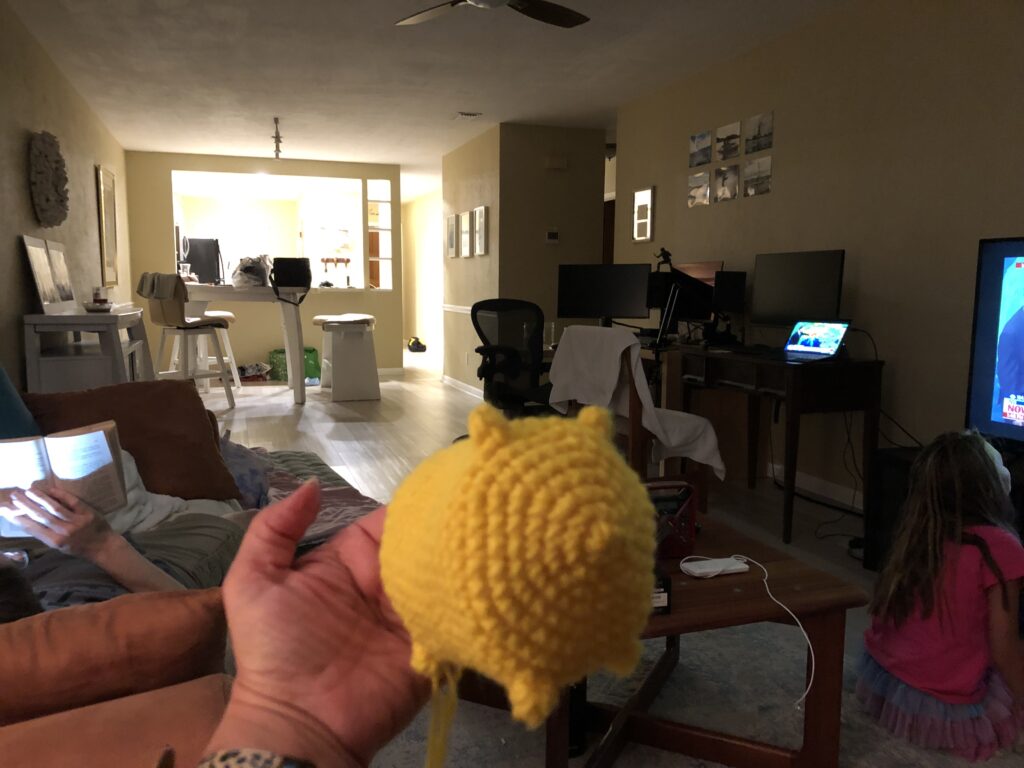
Ultimately, coping is a skill developed through continual practice and analysis. It is developed and strengthened through time and experience. Eventually we are able to recognize when stress hormones are stimulated and what helps them decrease. We are able to recognize what activities are soothing, like crochet, or yoga, or time with pets, or socializing. These activities affect our stress hormones differently and we can use them to change our ability to cope with stress. We can then prioritize our feelings regarding the stress and what is necessary to do in a time of danger. They are able to recognize self-care as critical, not selfish. It is a prescribed dose of behavior that could help the body equally or more so than medication. For individuals with particularly severe stress disorders the combination of stress reducing activities and medication can be life-changing.
Hurricane stress reaction and first responders
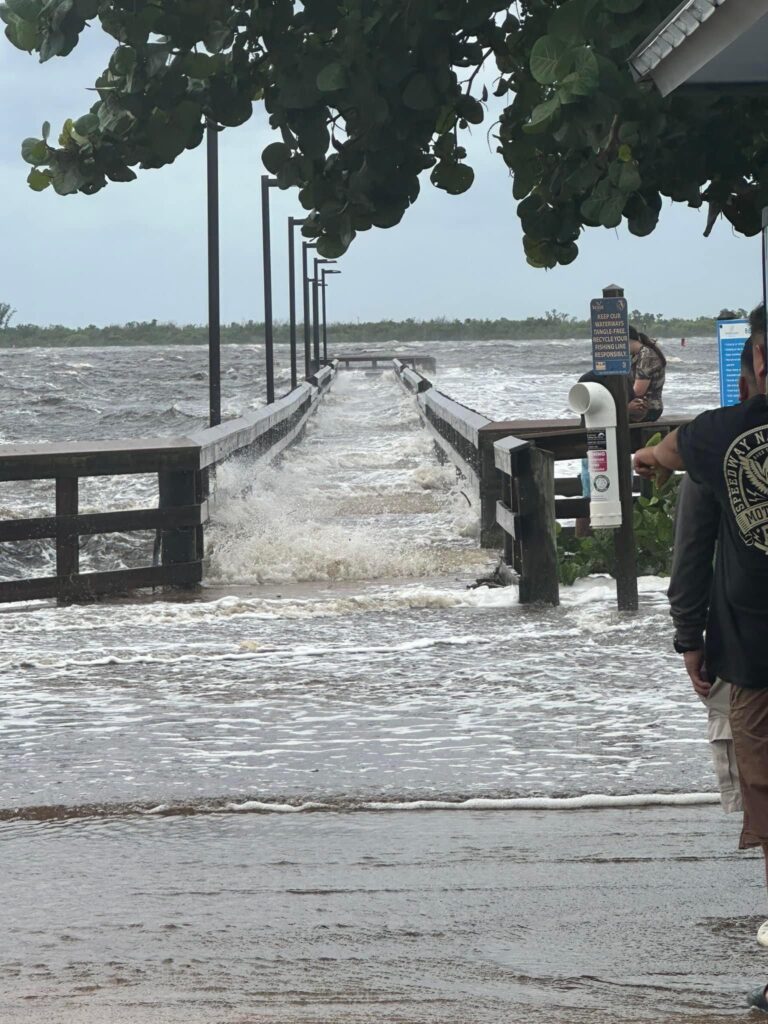
No one is immune from hurricane stress. Mental health professionals emergency workers and police officers are all going through it. Hurricane stress reaction affects us all. No one is immune to the danger of hurricane force winds and storm surge. That means that first responders are also experiencing the stress. First responders are trained to be ready for the worst case scenario. Coping with the worst case scenario means being prepared to get out of harm’s way by any means necessary.
I have worked as a psychologist in prisons, rehabs, inpatient, mental health and schools. I have experienced hurricanes in each of those settings. After working in these settings I recognize that most first responders have a very different conception of trauma. First responders need to have a different conception of trauma in order to find peace through it. I never dissuade my patients from considering the worst case scenario. Instead, we work on developing coping skills to consider and prepare for the worst case scenario. Prepare for the worst, hope for the best. In case of hurricane stress reaction, if you don’t feel safe, the best choice is to evacuate.
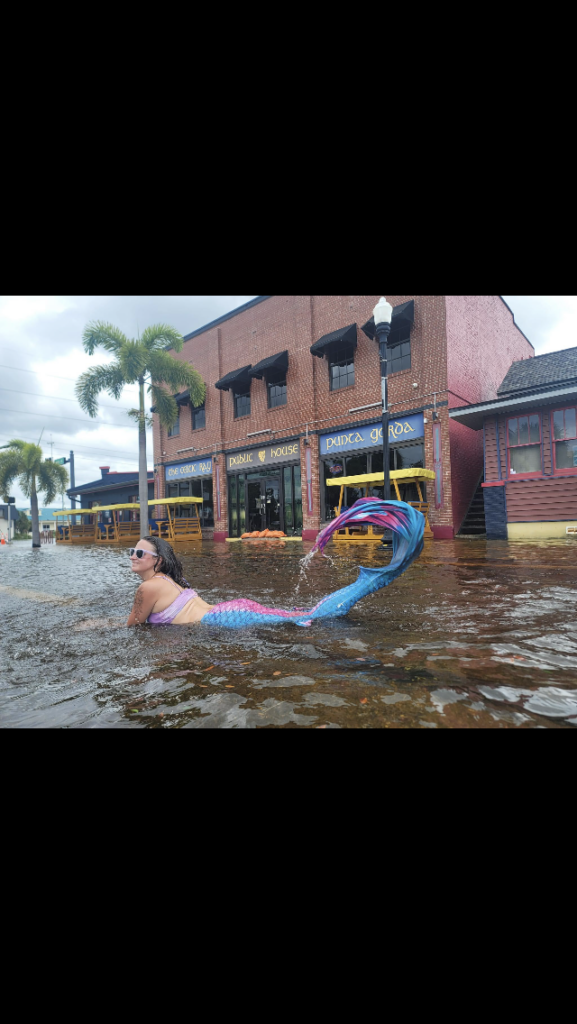
Post traumatic growth
After the hurricane passes we experience the after effects. Preparing and evacuating for a hurricane is stressful and stress hormones and adrenaline help us get through that stress. When the hurricane has passed, our bodies need to detox from those stress hormones to heal and recuperate.
After the storm passes, my patients experience hurricane fatigue. Hurricane fatigue is exhaustion that comes on after the stress of the hurricane is over. The stress from having to imagine all of your possessions floating out into the Gulf of Mexico is exhausting. People report sleeping more after a hurricane the stress is over. It is emotionally taxing to go through a hurricane watch.
Detoxing from stress hormones means resting and reviewing the past. Our brains continually re-live trauma in order to learn how to prevent the same trauma in the future. Praise yourself for healthy coping and forgive yourself for mistakes you have made in the past. Make a plan to change the behavior in the future and for the next hurricane. For some people, the stress and the anxiety of dealing with hurricane stress can be overwhelming. It may prove unmanageable and influence a person’s desire to stay in Florida.
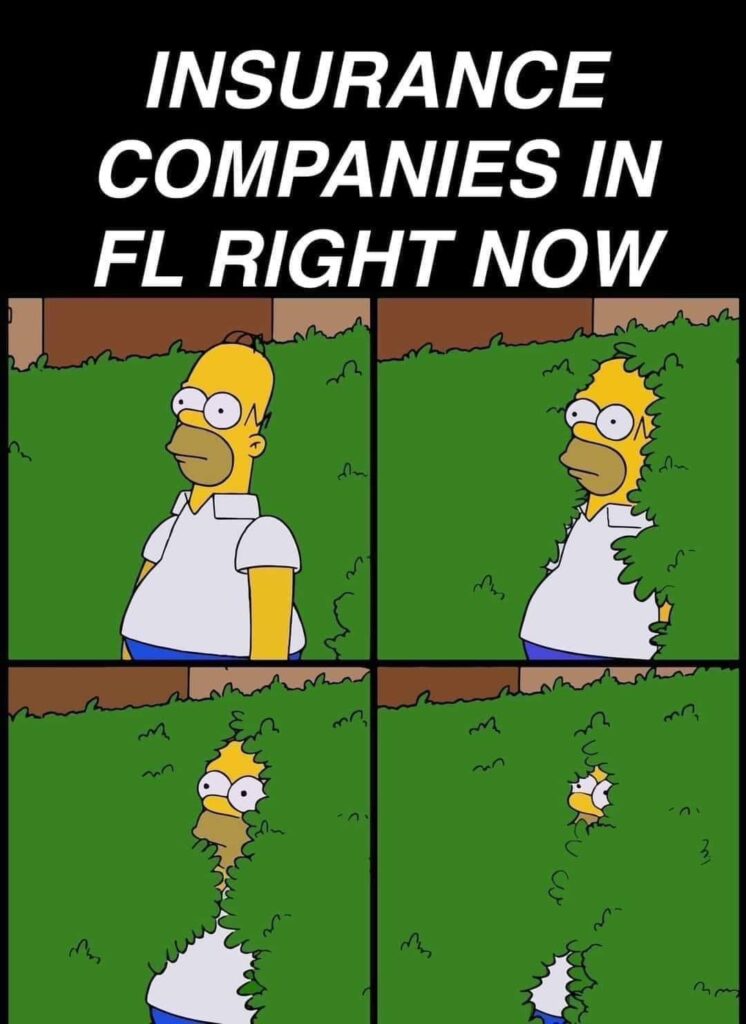
Part of living in a hurricane-prone zone means accepting the power of nature and its capacity to change your life in drastic ways. Nature teaches us about life and how death is an integral part of life. Being in a hurricane zone means learning about loss in a very real way–sometimes on a daily basis. Being tied to nature in a very powerful and inescapable way can be exhilarating just as it is frightening, as long as you are safe and can stay calm.
Rebeca Bright, PsyD

For further reading: